Choose facts worth recalling
Use your course objectives and notes to decide what belongs in the deck. Definitions, distinctions, sequences and examples often make useful cards. A highlighted paragraph is a source, not a finished flashcard: first decide which question it should answer.
Keep enough context to make the answer unambiguous. ‘Where does it happen?’ is unclear after the card is separated from the page. ‘Where does the Calvin cycle occur in a chloroplast?’ has a specific job. Match the wording to the level your class expects.
- One concept or decision per card.
- A question that makes sense on its own.
- An answer you can judge as correct, incomplete or wrong.
Keep the answer short without losing its meaning
A back filled with a whole page is hard to check honestly. Split long lists into smaller questions and add a separate overview card only if recalling the full sequence matters. Keep essential qualifiers rather than shortening an answer until it becomes misleading.
For a process, make cards for individual steps and for why one step follows another. For similar terms, ask what distinguishes them. If a card tests only whether a word looks familiar, rewrite it so you need to produce or explain the answer.
Build and review a set in Quizziz
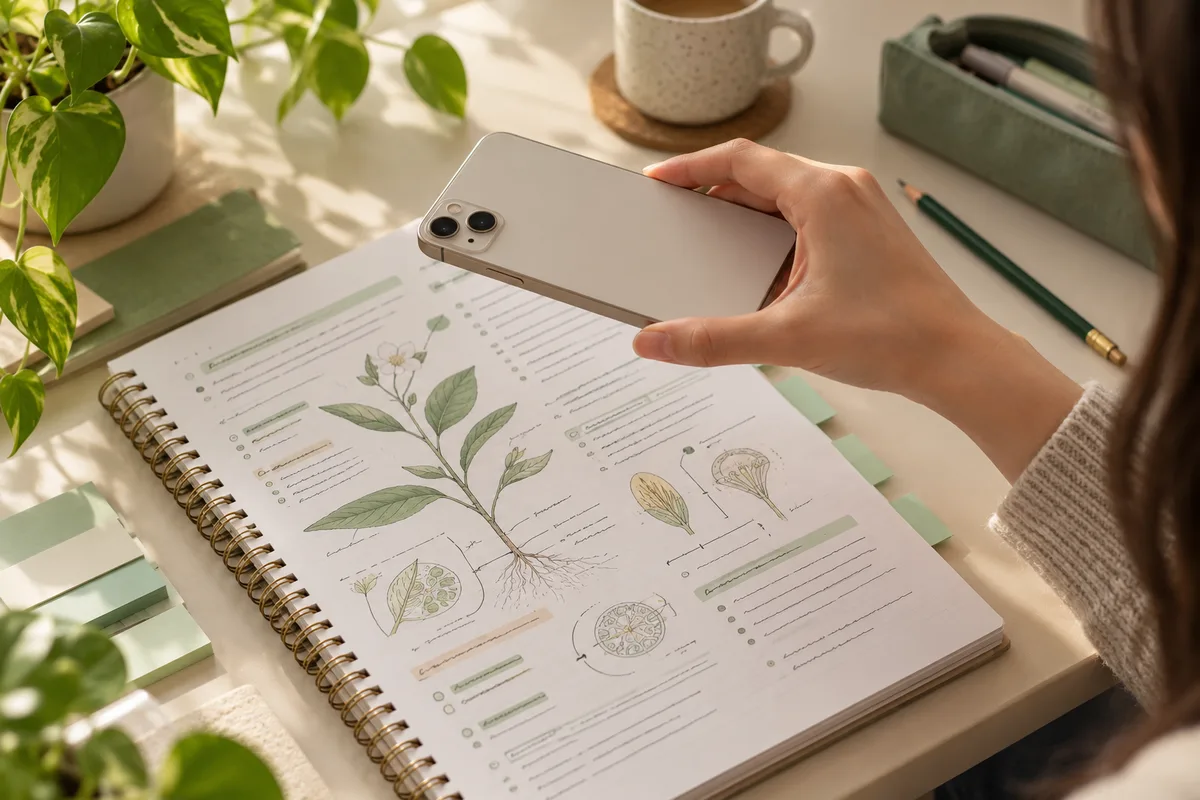
Enter a focused topic or excerpt, or use a clear photo of notes to create a quiz draft. Review the generated questions and answers, edit mistakes, and save the set to a collection. Quizziz lets you study saved quiz questions as flashcards as well as take a quiz.
In a flashcard session, read the question and say or write an answer before flipping. Use Know it only when your answer matches the important meaning. Use Still Learning for missing details, guesses and answers you recognized only after seeing the back.
Let missed cards guide the next session
After a session, revisit the material behind the cards you missed. Then try those cards again with the answer hidden. If the same card keeps causing trouble, decide whether the gap is in your understanding or the way the card is written.
Rewrite vague prompts and separate cards that demand several unrelated answers. A smaller set of precise cards is easier to diagnose than a large set with unclear questions. You can use Quizziz's missed-card review to focus a session, but still return to the original explanation when a concept does not make sense.
Check a deck before sharing or relying on it
AI-generated cards can contain mistakes. Verify factual claims, calculations and technical terms against your course material. Do the same for a manual deck you made in a hurry. A card's confidence or neat formatting does not establish that its answer is right.
Choose an app based on the workflow you need: a personal checked deck, a public library of sets, detailed scheduling controls or a particular import format. This guide covers Quizziz's notes-to-quiz-to-flashcard workflow. It does not promise cloud synchronization, importing Quizlet decks or printing double-sided flashcards.
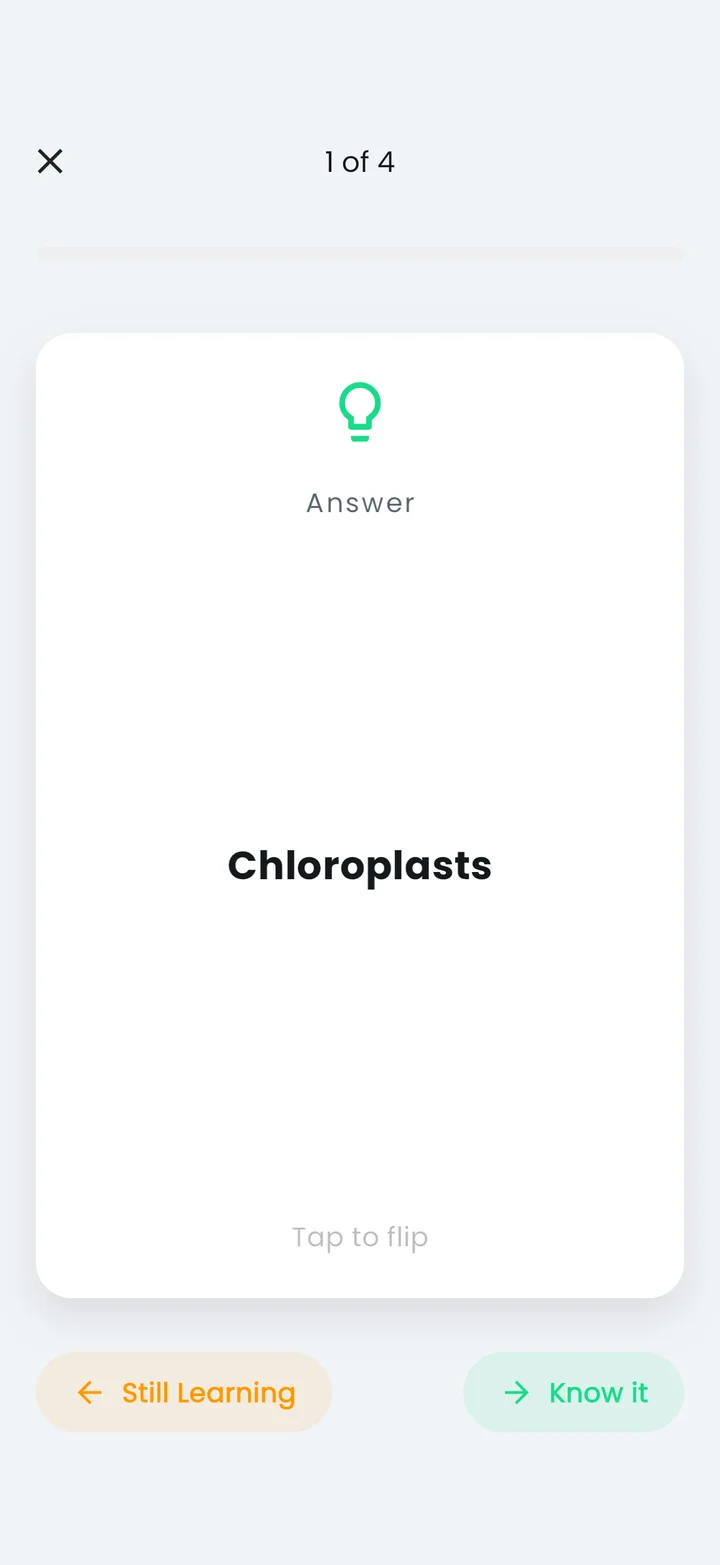
Feature references: Quizziz on the App Store and Google Play, checked October 20, 2026. This guide is published by the app’s developer.
Put your notes to work.
Make a draft, check it, and practice in Quizziz.
Free download. In-app purchases; access options and prices are shown in the app.